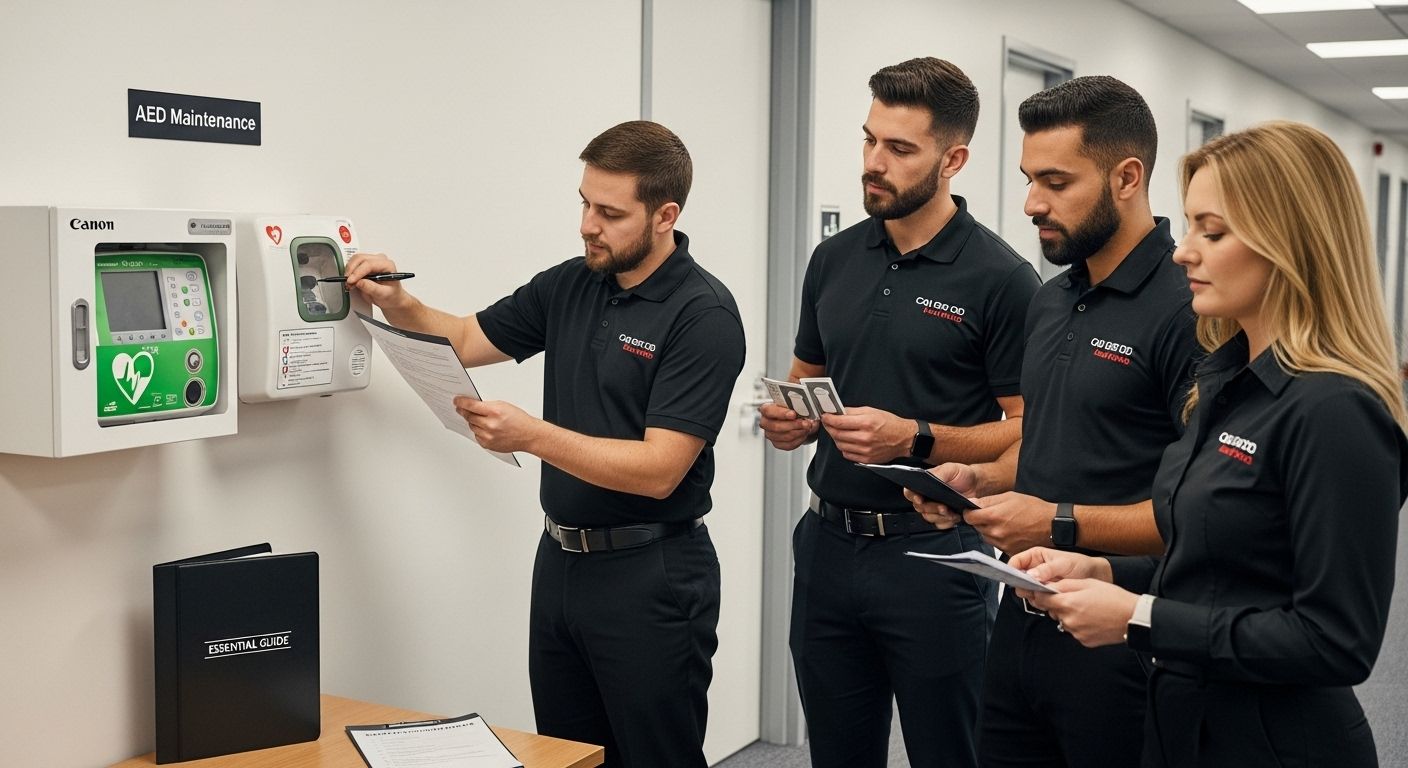
AED maintenance schedules are often seen as a boring formality but their true impact is impossible to ignore. Nearly one third of AEDs fail during emergencies due to poor upkeep which is shocking when you consider how critical these moments are. You might think replacing batteries and logging checks is enough but overlooking detailed inspection routines and tailored management has left many organisations scrambling when it matters most.
Table of Contents
- Why AED Maintenance Schedules Matter
- Key Steps in Creating an AED Maintenance Schedule
- Legal and Safety Requirements for AED Maintenance
- Tips for Managing AEDs in Different Settings
Quick Summary
| Takeaway | Explanation |
|---|---|
| Regular inspections are crucial. | Conduct monthly inspections to ensure AED functionality and readiness during emergencies. |
| Train staff for accountability. | Designate personnel responsible for AED care and provide regular training to ensure preparedness. |
| Document maintenance thoroughly. | Keep detailed records of all inspections and replacements to verify compliance and readiness. |
| Implement a replacement strategy. | Establish a clear timeline for replacing batteries and pads based on manufacturer guidelines. |
| Tailor management to settings. | Customize AED management strategies to fit the unique needs of workplaces, schools, and healthcare environments. |
Why AED Maintenance Schedules Matter
AED maintenance is not just a recommendation—it’s a critical responsibility that directly impacts potential life-saving interventions. Imagine a scenario where an AED is needed during a cardiac emergency, only to discover it’s non-functional due to neglected maintenance. This potential risk underscores the absolute necessity of implementing a rigorous and consistent maintenance schedule.
The Critical Role of Regular Inspections
Regular inspections form the backbone of effective AED maintenance. Research from the University of Missouri’s Environmental Health and Safety Department highlights that AED owners bear the primary responsibility for ensuring their devices remain rescue-ready. This involves more than sporadic checks—it requires a systematic approach to monitoring every component of the device.
The maintenance process encompasses several key elements. First, organisations must designate a specific individual responsible for AED management. This person becomes accountable for coordinating monthly inspections, tracking expiration dates for batteries and electrode pads, and ensuring all potential users receive proper training. The goal is creating a comprehensive system that guarantees the AED will function precisely when needed most.
Consequences of Neglecting Maintenance
According to Purdue University’s safety guidelines, departments and organisations are expected to maintain their AEDs in a constant rescue-ready mode. This means implementing quarterly self-audits, replacing electrode pads every two years, and changing batteries approximately every four years. Failure to adhere to these maintenance protocols can result in potentially catastrophic outcomes during medical emergencies.
The risks of inadequate maintenance are significant. A malfunctioning AED during a cardiac arrest situation could mean the difference between life and death. Electrical components can degrade, batteries can lose charge, and electrode pads can become less conductive over time. Regular maintenance ensures that each critical component remains in optimal condition, ready to deliver potentially life-saving electrical intervention at a moment’s notice.
Building a Culture of Proactive Safety
Effective AED maintenance transcends mere technical compliance—it represents a fundamental commitment to community safety. By establishing clear maintenance schedules, training responsible personnel, and creating robust tracking systems, organisations demonstrate their dedication to emergency preparedness. This approach transforms AED management from a passive administrative task into an active, dynamic safety protocol.
Moreover, maintaining comprehensive records of inspections, replacements, and training creates a transparent accountability framework. These documentation practices not only ensure regulatory compliance but also provide a clear historical record of the device’s readiness. In the event of an emergency, such documentation can serve as crucial evidence of an organisation’s commitment to safety and proper equipment management.
Ultimately, an AED maintenance schedule is an investment in human life. The modest time and resources required for consistent monitoring pale in comparison to the potential of saving a life during a critical cardiac event. By prioritising meticulous maintenance, organisations can transform these devices from potential risks into reliable guardians of community health and safety.
Key Steps in Creating an AED Maintenance Schedule
Establishing a comprehensive AED maintenance schedule requires a strategic and systematic approach that goes beyond basic compliance. According to the American Heart Association’s AED Implementation Guide, creating an effective maintenance framework involves multiple critical components that ensure device readiness and optimal performance.
Developing a Structured Inspection Protocol
The foundation of an effective AED maintenance schedule begins with developing a structured and consistent inspection protocol. The Occupational Safety and Health Administration (OSHA) recommends establishing a comprehensive public access defibrillation program that includes regular and methodical device checks. This involves creating a detailed checklist that covers every aspect of AED functionality.
Key elements of the inspection protocol should include:
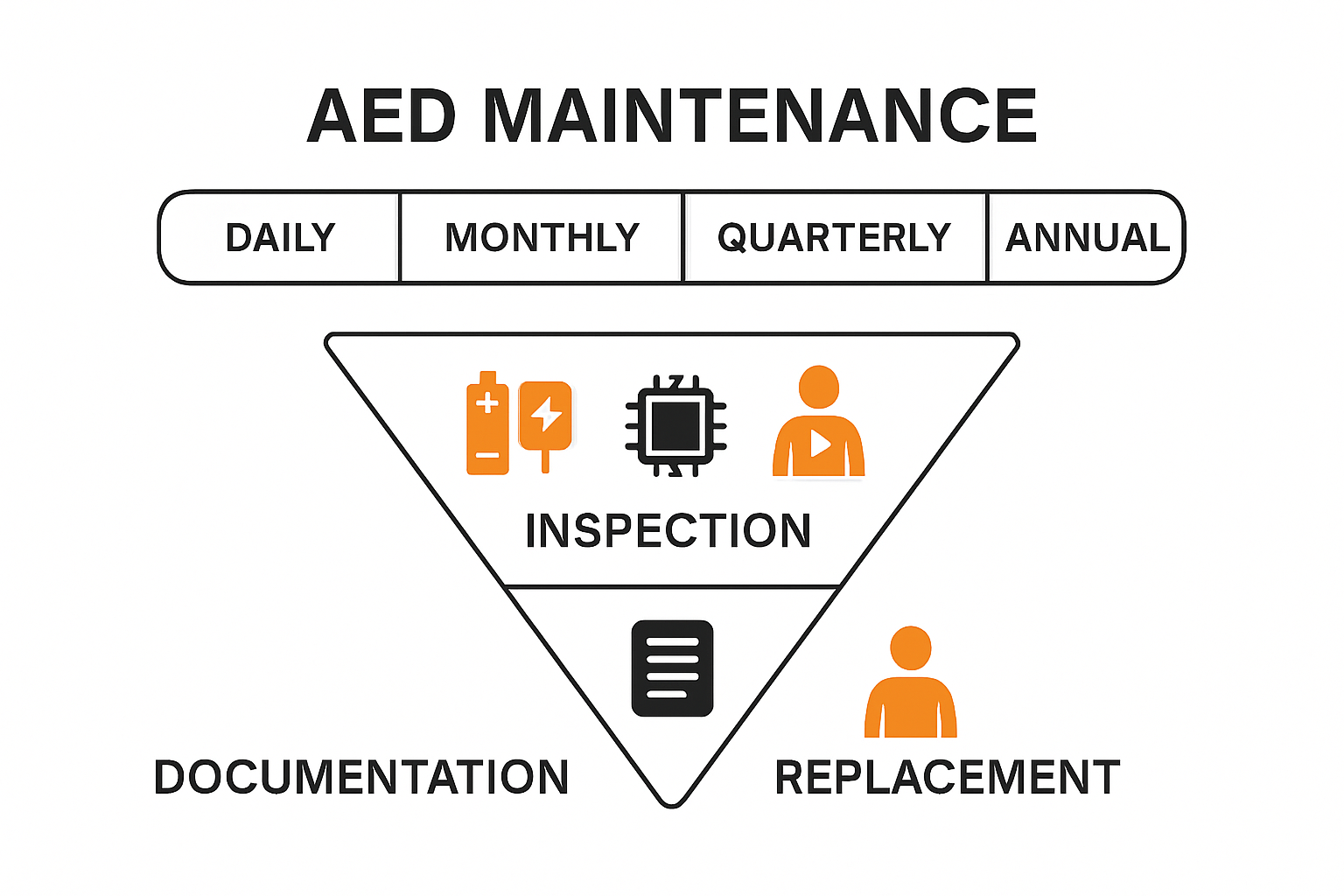
To help visualise and organise the various AED maintenance tasks and their recommended frequencies, the following table summarises the inspection and replacement protocol outlined in this section:
| Task | Recommended Frequency | Key Actions |
|---|---|---|
| Visual Inspection | Monthly | Check for damage, cleanliness, accessibility |
| Battery Status Check | Quarterly | Verify battery charge and expiry |
| Electrode Pad Monitoring | Biannual (every 6 months) | Inspect pad condition and expiration |
| Software Updates | Annually | Ensure device firmware/software is current |
| Replacement of Pads | Every 2 years | Replace regardless of use (per guidelines) |
| Replacement of Batteries | Every 4 years | Change as per manufacturer or earlier if needed |
- Visual Inspection: Monthly checks for physical damage, cleanliness, and accessibility of the AED
- Battery Status: Quarterly verification of battery charge and expiration dates
- Electrode Pad Monitoring: Biannual review of pad condition and expiration
- Software Updates: Annual verification of device software and firmware currency
Documentation is crucial in this process. Organisations must maintain meticulous records of each inspection, creating a comprehensive log that tracks the device’s entire maintenance history. This approach not only ensures regulatory compliance but provides a clear audit trail of the AED’s ongoing readiness.
Training and Personnel Responsibilities
The FDA emphasizes the critical importance of proper training in AED implementation, highlighting that device maintenance extends far beyond mechanical checks. Organisations must designate specific personnel responsible for AED oversight, creating a clear chain of accountability.
Effective AED maintenance requires a multifaceted training approach:
- Dedicated Maintenance Coordinator: Assign a specific individual responsible for overall AED program management
- Regular Staff Training: Conduct comprehensive training sessions for all potential AED users
- Emergency Response Simulation: Implement periodic drills to ensure staff readiness
- Certification Tracking: Maintain up-to-date records of staff training and certification
Comprehensive Replacement and Upgrade Strategy
A proactive maintenance schedule must include a strategic approach to device replacement and upgrades. This involves creating a long-term plan that anticipates potential component degradation and technological advancements. Organisations should establish clear timelines for replacing critical components such as batteries and electrode pads, typically every two to four years depending on manufacturer recommendations.
Key considerations in the replacement strategy include:
- Manufacturer Guidelines: Strictly adhere to recommended replacement intervals
- Budget Planning: Allocate funds for regular component replacement and potential device upgrades
- Technology Monitoring: Stay informed about technological advancements in AED design
- Inventory Management: Maintain a strategic reserve of replacement components
Implementing a comprehensive AED maintenance schedule is more than a technical requirement—it’s a commitment to community safety. By developing a structured, systematic approach that combines regular inspections, thorough training, and strategic planning, organisations can ensure their AEDs remain reliable life-saving devices. The goal is to transform these critical medical tools from potential emergency equipment into consistently dependable guardians of health and safety.
Legal and Safety Requirements for AED Maintenance
AED maintenance is not merely a technical consideration but a critical legal and safety responsibility that carries significant implications for organisations. According to the U.S. Food and Drug Administration (FDA), AEDs are classified as medical devices with stringent maintenance requirements that directly impact their legal compliance and operational effectiveness.
Regulatory Compliance and Manufacturer Guidelines
The Occupational Safety and Health Administration (OSHA) provides comprehensive guidance on AED maintenance in workplace settings, emphasizing that organisations have a legal obligation to maintain these life-saving devices according to precise standards. This involves adhering to manufacturer-specific instructions for inspection, testing, and component replacement.
Key regulatory requirements include:
- Documented Maintenance Records: Maintaining comprehensive logs of all inspections, repairs, and replacements
- Regular Functional Testing: Conducting periodic checks to ensure device operational readiness
- Component Tracking: Monitoring and replacing batteries, electrode pads, and other critical components within recommended timeframes
- Accessibility Compliance: Ensuring AEDs are strategically located and unobstructed in emergency response areas
Liability and Risk Management
Proper AED maintenance is intrinsically linked to organisational liability and risk management strategies. Failure to maintain AEDs can result in significant legal consequences, potentially exposing organisations to negligence claims in the event of a medical emergency where the device fails to function correctly.
Critical liability considerations include:
- Duty of Care: Demonstrating a proactive approach to emergency preparedness
- Legal Documentation: Maintaining verifiable evidence of consistent maintenance practices
- Training Verification: Documenting staff training and certification in AED usage
- Insurance Implications: Potential impact on organisational insurance coverage and risk assessments
Safety Standards and Professional Protocols
Beyond legal requirements, AED maintenance represents a fundamental commitment to safety protocols. Professional organisations and medical safety boards have established comprehensive guidelines that extend beyond minimal legal compliance. These standards emphasize a holistic approach to emergency medical device management.
Essential safety standards encompass:
- Regular Professional Assessments: Periodic evaluations by qualified medical equipment technicians
- Technological Updates: Monitoring and implementing software and hardware improvements
- Emergency Response Integration: Aligning AED maintenance with broader emergency preparedness strategies
- Continuous Staff Education: Ongoing training and awareness programs
Navigating the complex landscape of AED maintenance requires a multifaceted approach that balances legal requirements, safety protocols, and organisational responsibility. By implementing a robust maintenance strategy that goes beyond mere compliance, organisations can create a comprehensive framework that protects both human lives and institutional interests.
Ultimately, AED maintenance is about more than following rules—it’s about creating a culture of preparedness, safety, and proactive emergency response. Each maintenance check, each training session, and each carefully documented procedure represents a commitment to protecting lives and minimising potential risks in critical medical situations.
Tips for Managing AEDs in Different Settings
Managing automated external defibrillators (AEDs) requires a nuanced approach that recognises the unique challenges and requirements of different environments. According to research from the University of Chicago’s Safety Department, each setting demands a tailored strategy to ensure optimal device readiness and performance.
The strategies for managing AEDs vary depending on the environment. The table below compares key management considerations across workplace, educational, and healthcare settings as outlined in the article:
| Environment | Key Management Focus | Notable Practices |
|---|---|---|
| Workplace | Accessibility, assigned responders, monitoring | Strategic device placement, battery logs |
| Educational | Training, drills, documentation | Multi-level staff/student training, regular drills |
| Healthcare | Readiness, advanced tracking, staff expertise | Continuous monitoring, rapid replacement, tech integration |
Workplace and Corporate Environments
In corporate settings, AED management becomes a critical component of comprehensive workplace safety protocols. Purdue University’s safety guidelines recommend specific strategies for maintaining AEDs in professional environments, emphasizing the importance of strategic placement and consistent monitoring.
Key considerations for workplace AED management include:
- Strategic Placement: Position AEDs in easily accessible locations with clear signage
- Visibility and Accessibility: Ensure devices are unobstructed and within quick reach during emergencies
- Designated Responders: Identify and train specific employees as primary AED operators
- Battery Monitoring: Implement a systematic approach to tracking battery status
Workplace AED management should include documenting installation dates on batteries, closely monitoring battery status indicators, and understanding the significance of different indicator lights. Organisations must establish a proactive replacement schedule, recognizing that electrode pads require replacement every two years, even if unused.
Educational and Public Institutional Settings
Schools, universities, and public institutions present unique challenges in AED management. These environments require a comprehensive approach that balances accessibility, safety, and ongoing maintenance. Scouting safety guidelines highlight the importance of regular inspections and compliance with local regulations.
Critical strategies for educational settings include:
- Comprehensive Training Programs: Develop multi-level training for staff and students
- Regular Simulation Drills: Conduct periodic emergency response exercises
- Transparent Maintenance Logs: Maintain detailed documentation of device checks and interventions
- Age-Appropriate Safety Education: Implement educational programs about AED usage and importance
Healthcare and High-Risk Environments
Healthcare facilities and high-risk environments demand the most rigorous AED management protocols. These settings require an almost continuous state of readiness, with multiple layers of monitoring and maintenance. The stakes are significantly higher, necessitating a more intensive approach to device management.
Essential management strategies for healthcare settings include:
- Continuous Monitoring Systems: Implement real-time tracking of AED status
- Immediate Replacement Protocols: Develop rapid response procedures for device malfunction
- Advanced Staff Training: Provide comprehensive and recurring professional training
- Technological Integration: Utilize advanced tracking and reporting systems
Successful AED management transcends simple compliance—it represents a holistic commitment to emergency preparedness. By recognising the unique requirements of different environments and implementing tailored strategies, organisations can create robust systems that maximize the potential of these life-saving devices.
The key to effective AED management lies in understanding that no single approach works universally. Each setting demands a nuanced, context-specific strategy that considers physical environment, personnel capabilities, and potential emergency scenarios. By developing flexible, comprehensive management protocols, organisations can ensure their AEDs remain reliable guardians of safety across diverse institutional landscapes.

Frequently Asked Questions
What is the importance of regular AED maintenance?
Regular AED maintenance is crucial because it ensures that the device is functional and ready for use during emergencies. Lack of maintenance can lead to malfunctions, putting lives at risk.
How often should AED inspections and maintenance be conducted?
It is recommended to conduct monthly visual inspections of AEDs, with quarterly checks for battery status and biannual monitoring of electrode pads. Comprehensive records should be kept to track these inspections and comply with safety standards.
What steps should be taken if an AED is not functioning?
If an AED is found to be non-functional, immediate actions should include replacing the batteries and electrode pads if necessary. Additionally, it is important to document the issue and notify the designated maintenance coordinator to ensure the device is promptly restored to operational status.
Who is responsible for AED maintenance in an organisation?
Organisations should designate a specific individual, often referred to as the Maintenance Coordinator, who is responsible for overseeing AED management. This person’s duties include scheduling regular inspections, ensuring the device is in working order, and training staff in proper usage.
Never Let AED Neglect Put Lives at Risk
If you have read this guide, you know just how devastating it can be when an AED fails due to missed inspections or outdated components. Safety teams cannot afford the uncertainty of old batteries, expired pads, or missed maintenance. Your organisation’s readiness hinges on a robust AED management routine and specialist resources that make the process simple and trustworthy.

With Defib Experts, you gain instant access to hospital-grade defibrillators, certified replacement pads, and ongoing support that aligns perfectly with structured inspection protocols and regulatory compliance. Discover our trusted servicing and maintenance solutions designed specifically for workplaces, schools, and high-risk settings. Your next step is simple — choose product expertise trusted by countless UK organisations and act now while safety is fresh on your mind. Visit https://defibexperts.co.uk to safeguard your AEDs and guarantee a real culture of preparedness.
Recommended
- Buy InCaddy Internal Wall Cabinet | Fast UK Shipping – Defib Expert Ltd
- Buy Essentials Package AED 3 | Fast UK Shipping – Defib Expert Ltd
- Buy Cardiac Science Powerheart G3 Adult Pads | Fast UK Shipping – Defib Expert Ltd
- Buy Cardiac Science Powerheart G5 Trainer | Fast UK Shipping – Defib Expert Ltd

